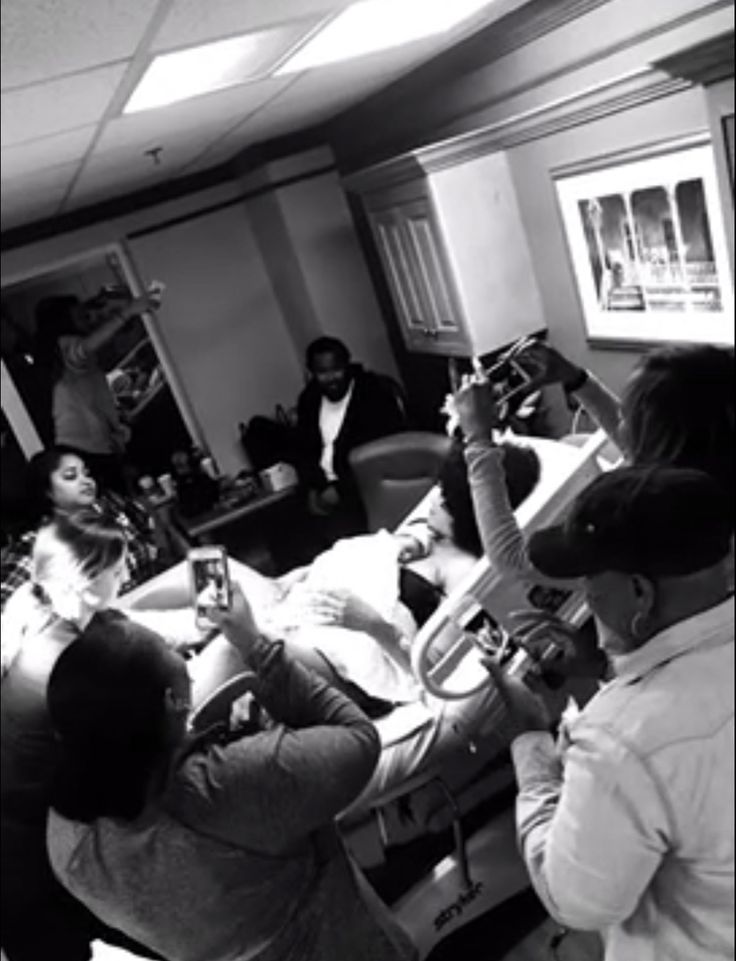
The short answer is: it depends, and the answer changes based on where you deliver, what state you are in, and what your hospital's policy says. What does not change is that you have the right to ask the question before you are in labor.
There is no national standard
No federal law gives patients a blanket right to record inside a hospital, and no federal law prohibits it outright. Each hospital sets its own recording policy, which means the rules at one facility can be completely different from the one across town.
Some hospitals allow recording freely. Some restrict it to specific moments, like the first cry. Some prohibit cameras in the operating room entirely. A few require you to sign a photography agreement before your delivery.
What state law actually covers
Most states fall into one of two categories: one-party consent or two-party consent for audio recording.
- In a one-party consent state, you can record a conversation you are part of without notifying anyone else.
- In a two-party state, everyone being recorded must agree.
In California, for example, it is generally legal to record your own medical care as long as you are not recording other patients or disrupting care. Your state may be different.
This matters because audio recording a conversation with your doctor or nurse, on your own phone, about a procedure being proposed, falls under different rules than setting up a video camera to capture your delivery.
What hospitals can and cannot do
A hospital can set rules for what happens on its property. It can require you to follow a recording policy as a condition of receiving care. What it cannot do is use a no-recording policy as a reason to deny you emergency care.
If a hospital has a no-recording policy, ask to see it in writing. Ask what it covers, what it does not cover, and whether exceptions exist. You are allowed to ask these questions before you agree to anything.
Ask before you arrive
It is far better to understand your hospital's recording policy at a prenatal visit or during a preregistration call, when you are not navigating contractions and a room full of monitors. Ask your provider directly, call the hospital's patient services line, or look up the policy on their website before your due date.
You want to know where you stand before you walk through those doors.
If you add a Birth Advocate to your birth team, your advocate will already know the recording policies at your hospital, which ones are worth pushing back on, and how to stand in your corner if anything unexpected happens on your special day.